The method we started with and still run most. Best value on volume, the richest hand on cotton, and the finish streetwear brands keep coming back for.
We work across a deliberately wide range, and that range is what keeps the shop sharp. A 24-piece gym order and a licensed retail run go through the same presses and the same checks.
Screen printing means burning a screen per colour. That setup is fixed whether you print 24 shirts or 2,400, which is why there is a floor on quantity — and why the price per piece drops sharply as the run grows.
Need fewer than 24? That is what DTF transfers are for — no minimum, full colour, and no setup cost per colour.
No file gets turned away for being the wrong format, and there are no art fees. We accept JPG, GIF, PNG, BMP, PDF, AI, SVG, TIFF and PSD.
Three things make the difference between a good print and a great one: supply high-resolution images, avoid low-contrast designs that lose definition on fabric, and size the artwork in your design software exactly as you want it printed. Our team reviews every submission for print readiness before anything is burned.
Pricing depends on quantity, colour count and placement. Send the artwork and the quantity and we will come back with a figure and a timeline — if you are not sure which process suits the job, describe it and we will tell you.
For runs over 2,000 units, or for wholesale pricing, contact us directly at info@rodinkprinting.com.
Artwork, quantity, garment and deadline. Any of the nine formats we accept, and no charge for us to look at it.
You get a digital proof with the final artwork. Nothing goes to press until you have signed it off.
Production runs 10–20 business days, counted from a paid invoice with all blanks on hand.
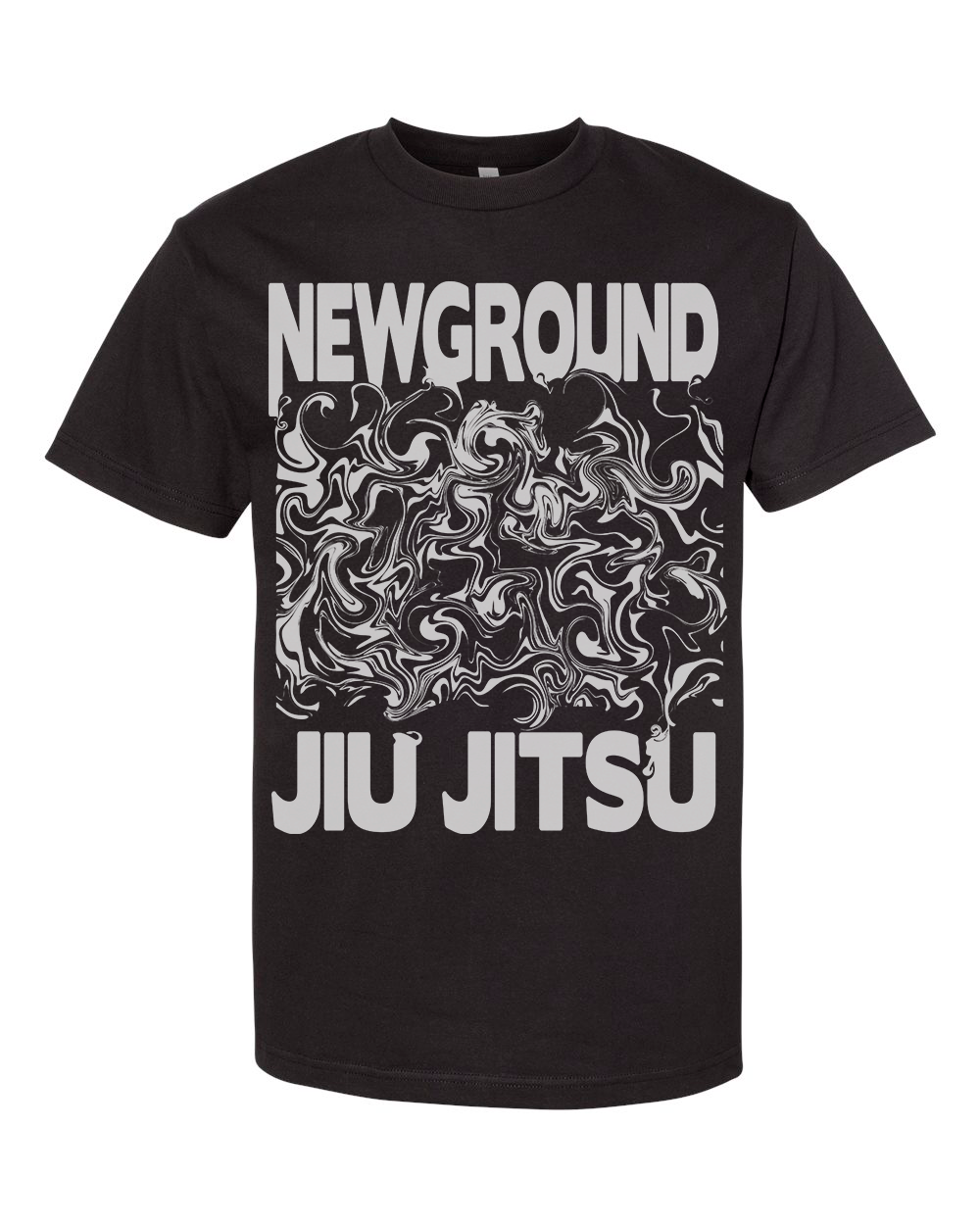
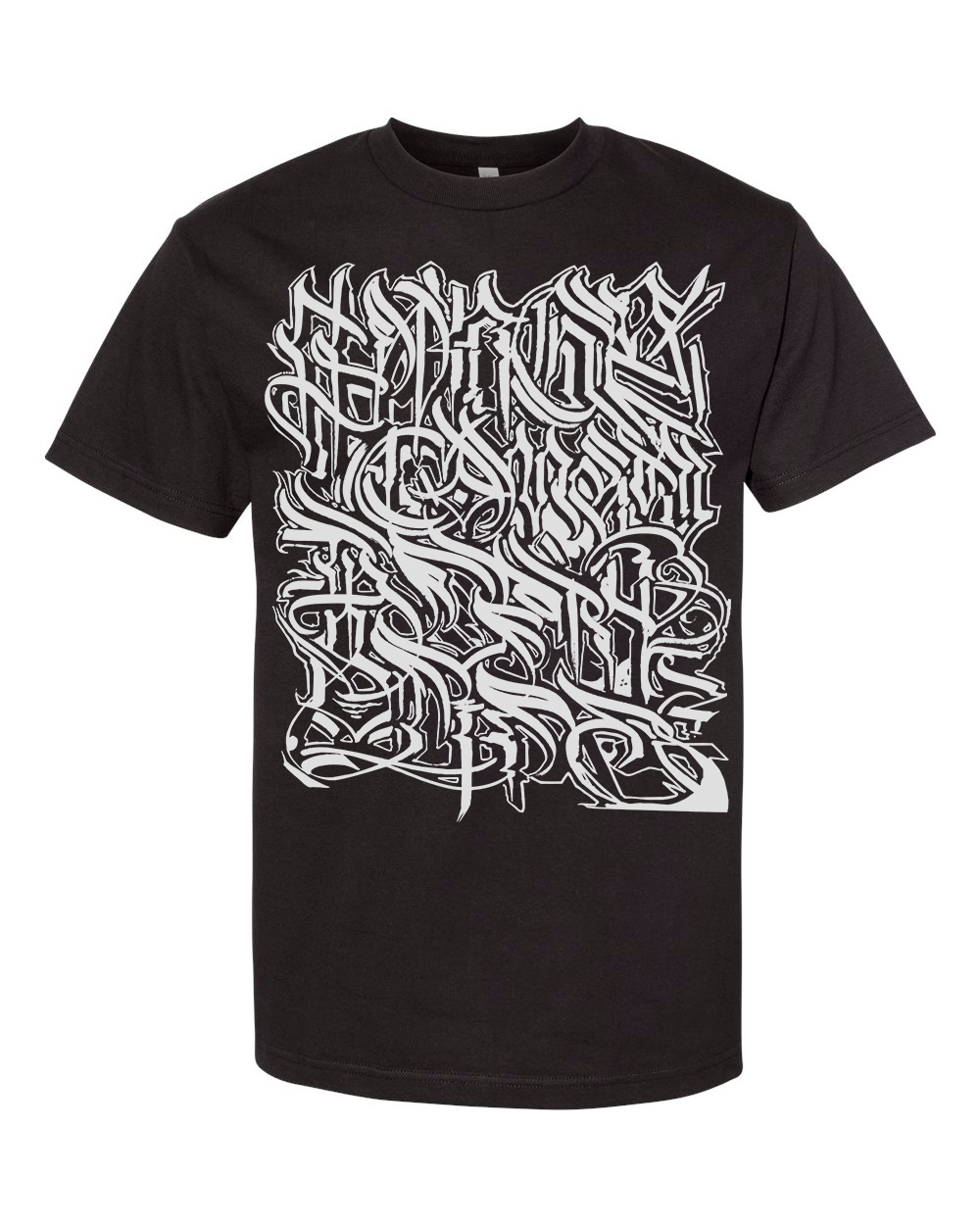
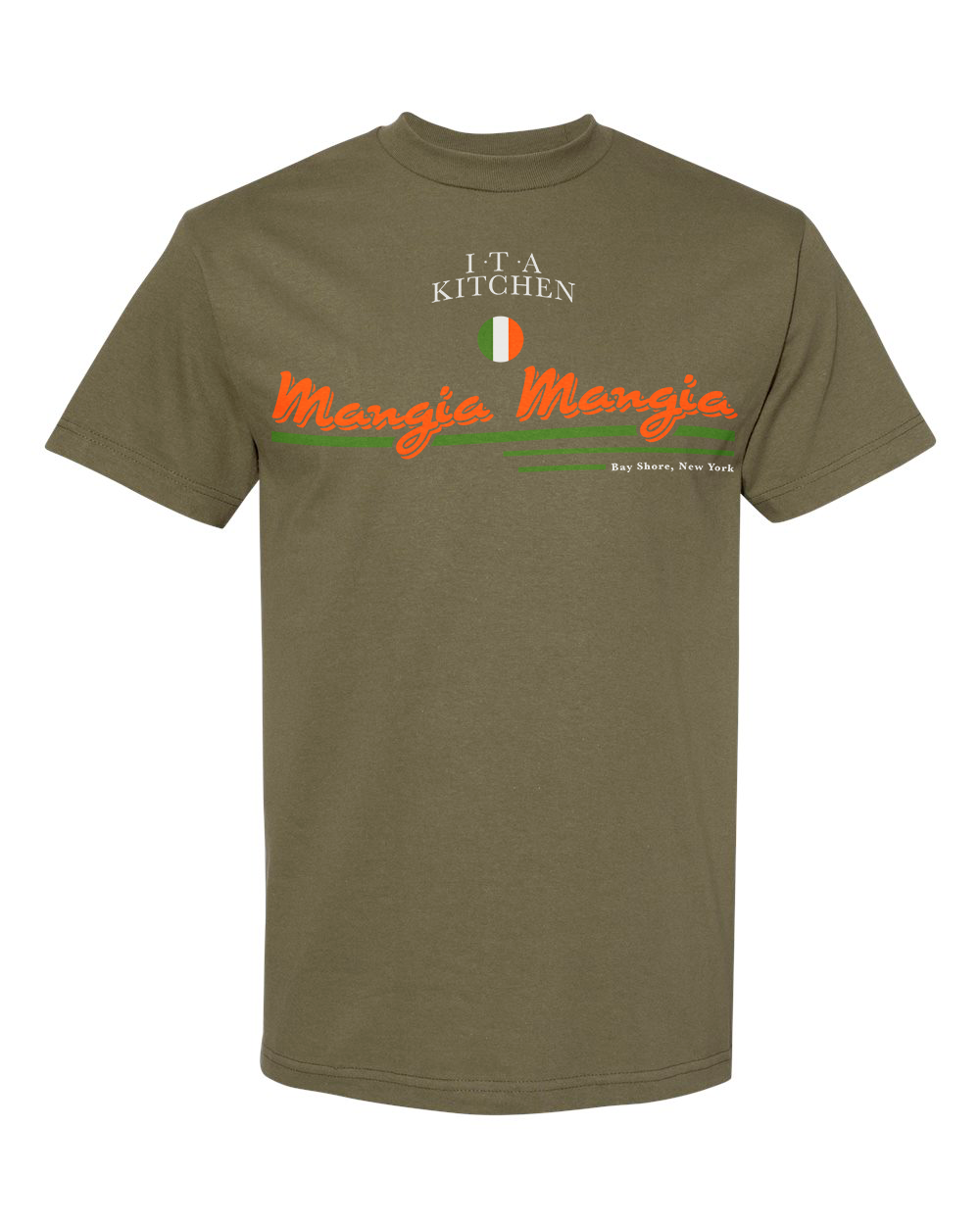
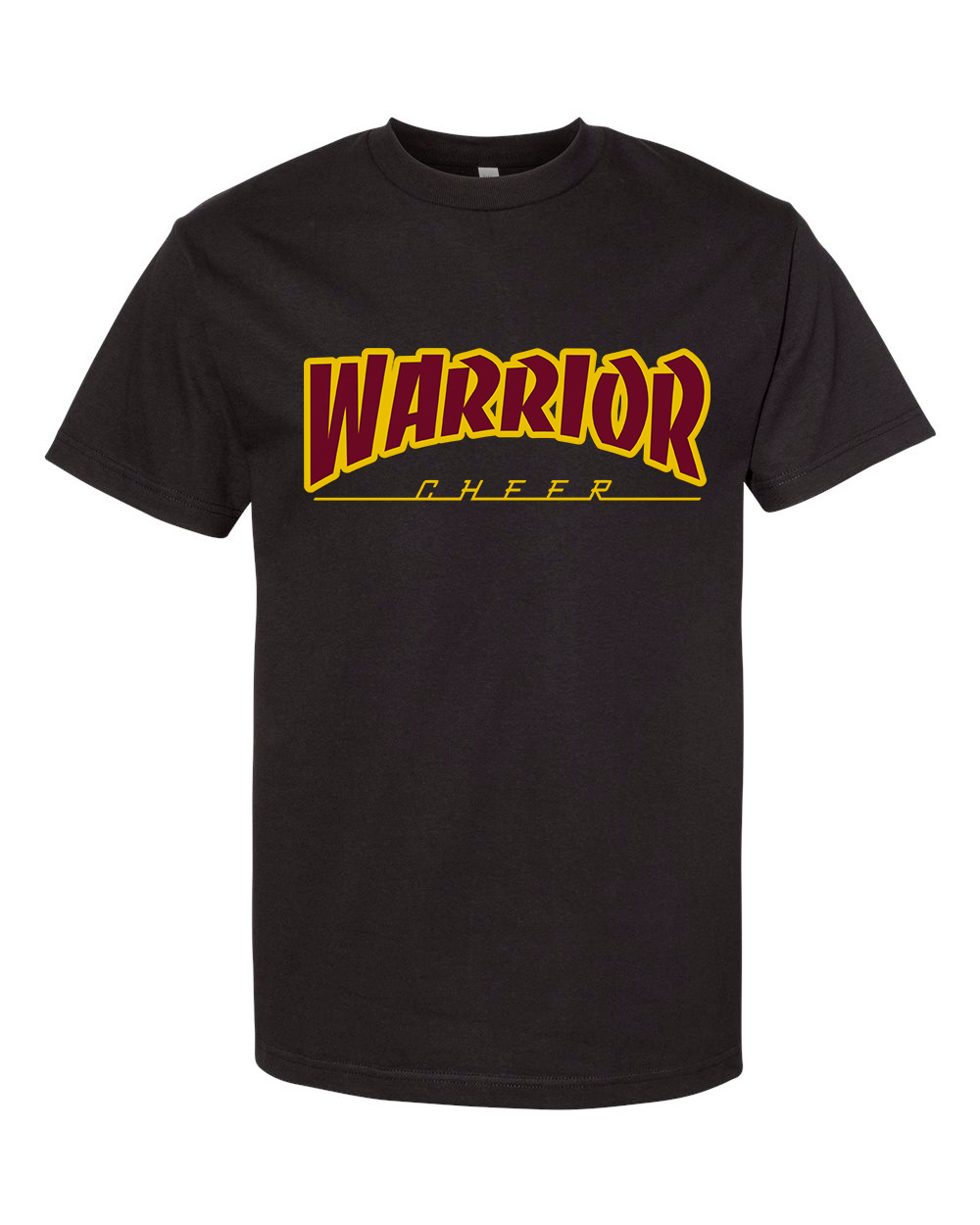
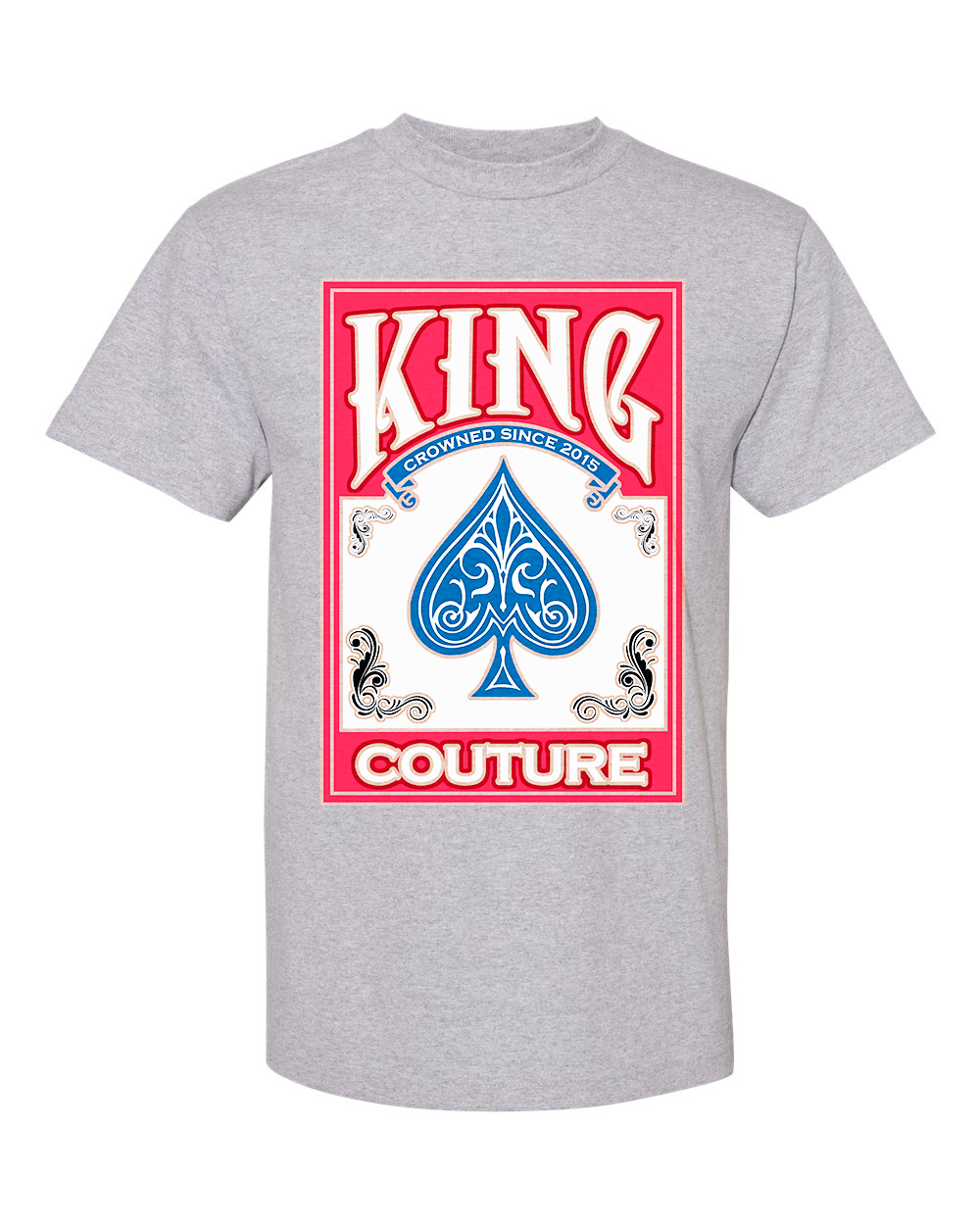
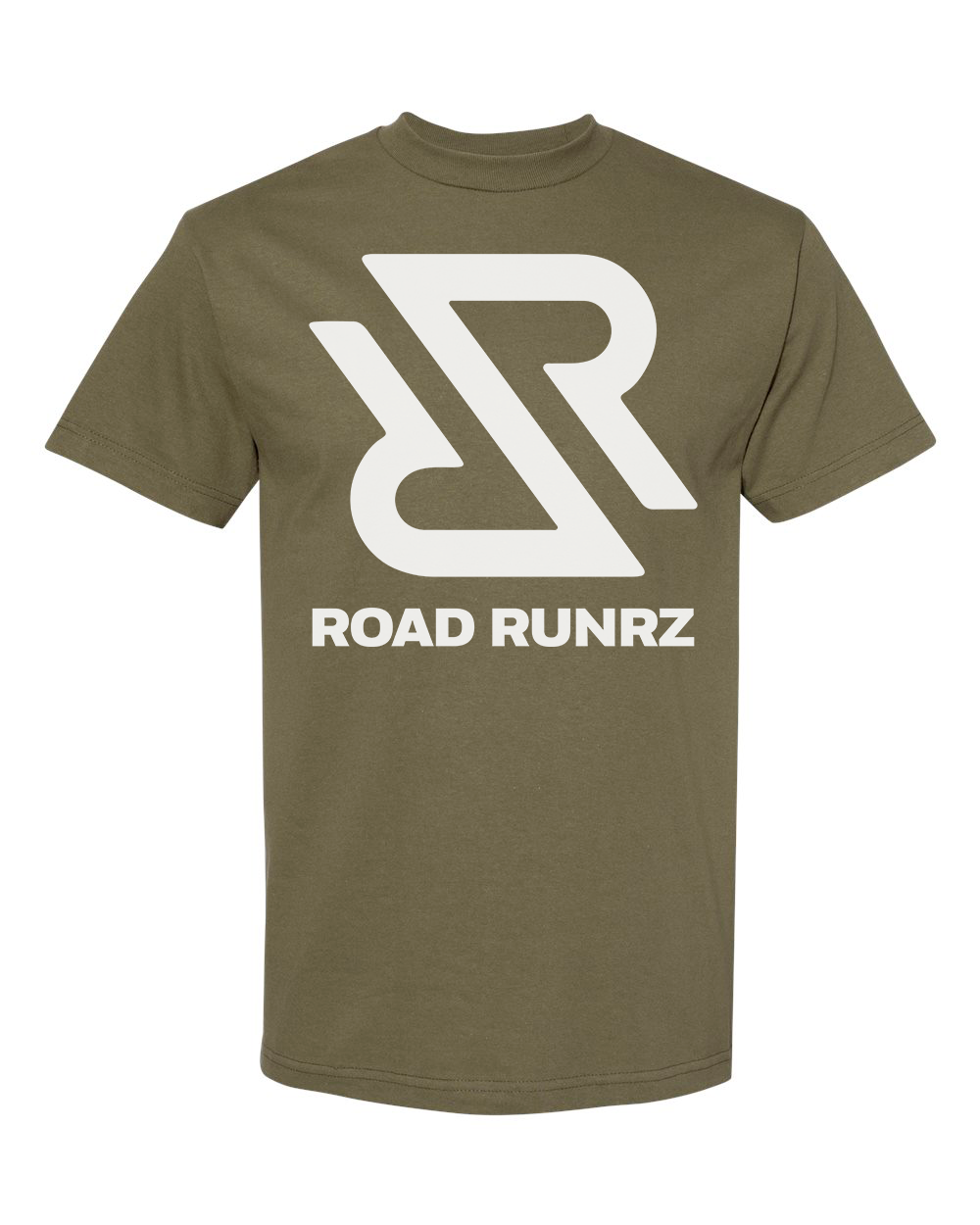
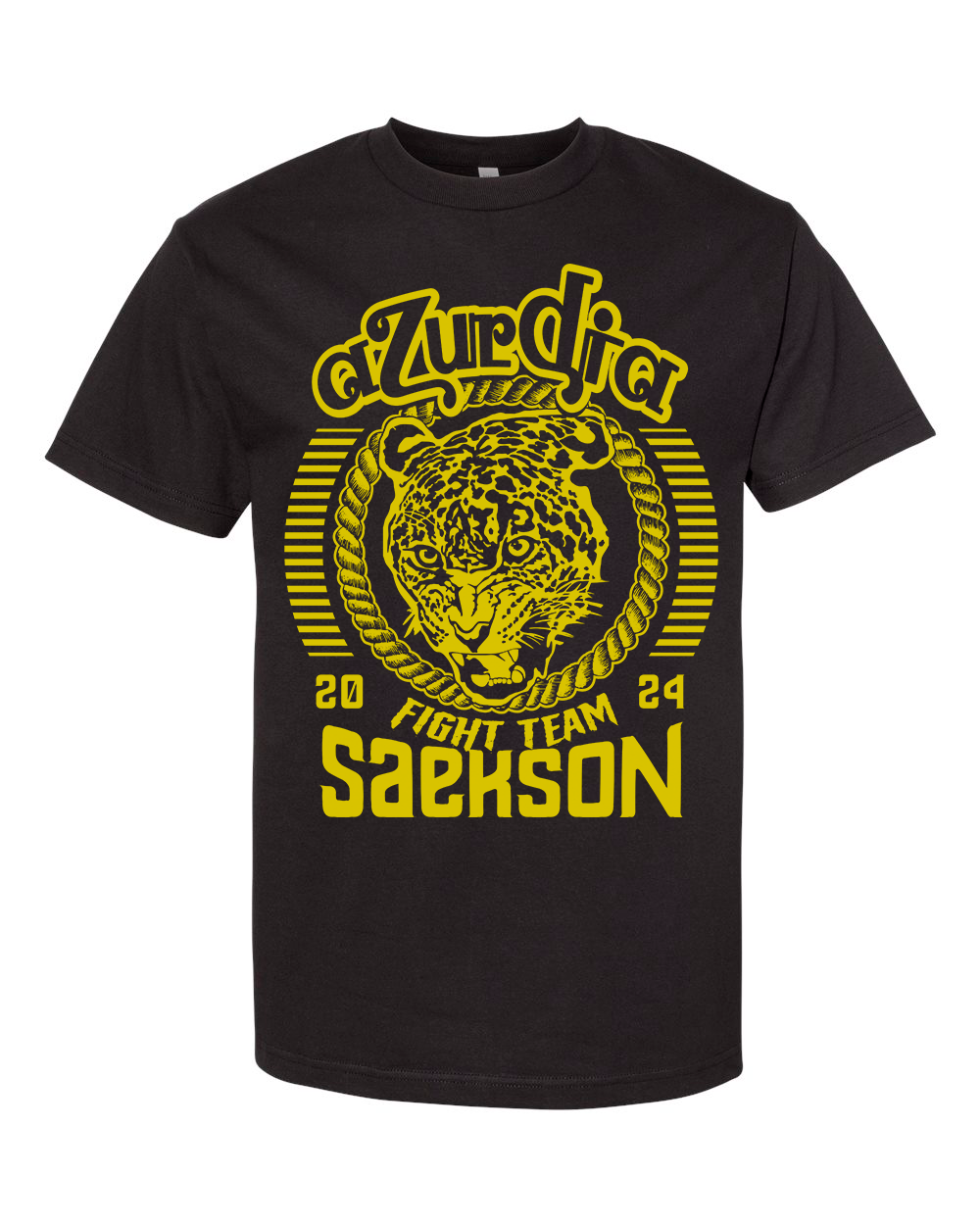
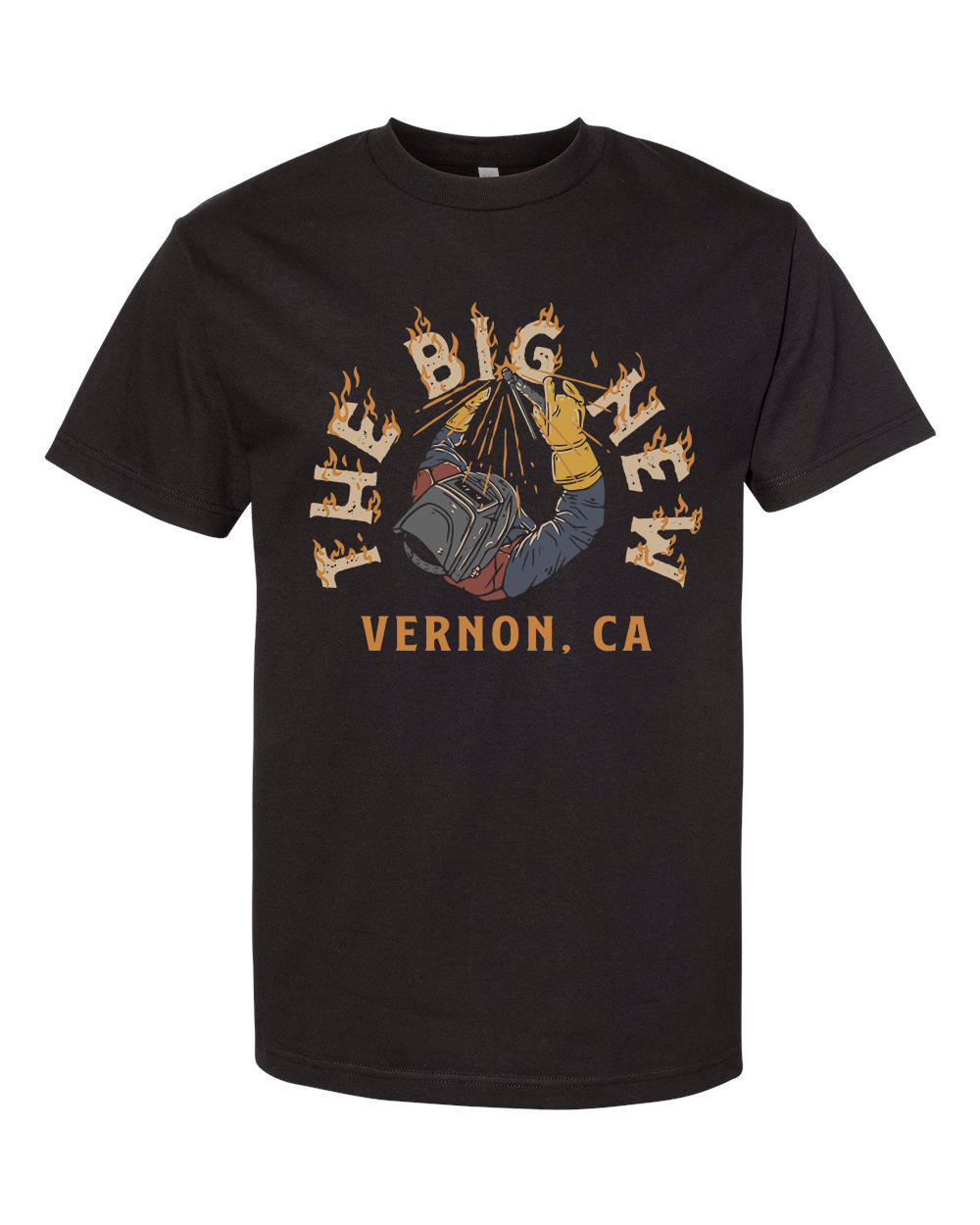
A sample of jobs run in the shop. The full set is in the gallery.
Send the artwork and quantity. We will come back with pricing and a realistic timeline.